Essential pre clean checklist before a professional deep clean UK
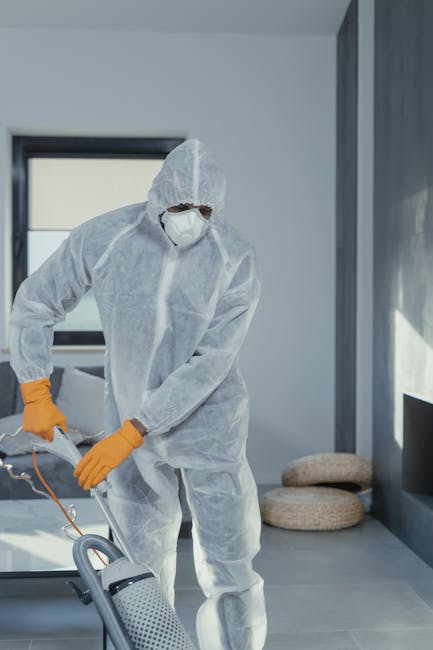
If you have booked a professional deep clean, or you are thinking about it, the prep stage can make a bigger difference than people expect. The right essential pre clean checklist before a professional deep clean UK helps the cleaners get straight to the heavy work instead of spending the first hour moving clutter or guessing what matters most to you. That usually means better value, less stress, and a result that feels properly thorough.
In our experience, the homes that come out best are not always the tidiest to begin with. They are the ones where the customer has done a few smart, simple things first. Nothing dramatic. Just practical steps that clear the way, protect valuables, and make sure the team can focus on the deep clean itself. Let's face it, nobody wants to pay for a deep clean and then realise the skirting boards behind a pile of boxes were never touched.
This guide walks you through what to do before the cleaners arrive, why it matters, what to avoid, and how to prepare different areas of the home in a sensible UK-friendly way. If you want a broader overview of what a deep clean usually includes, you may also find the main deep cleaning service page useful.
Why Essential pre clean checklist before a professional deep clean UK Matters
A deep clean is usually more detailed than routine housekeeping. It targets buildup, hidden grime, and the awkward spots that get skipped in normal weekly cleaning. But even the best team can only work efficiently if the space is ready enough for them to access those areas. That is the core reason this checklist matters.
Think of it like getting a room ready for decorating. If the surfaces are covered, the job slows down. Same idea here. A little preparation means the cleaners can get to the oven seals, behind toilets, under beds, around taps, along edges, and all the other places where dust quietly accumulates. The small stuff tends to be the big stuff in a deep clean.
It also helps prevent confusion. If you have specific priorities, such as limescale in the bathroom, grease in the kitchen, or pet hair on upholstery, it is much easier to communicate them before anyone starts. That way the cleaner can plan the time properly and you are less likely to end up thinking, "Oh, I meant that cupboard too."
Another reason it matters in the UK is that many people book deep cleans around tenancy changes, moving dates, winter refreshes, post-renovation dust, or family events. Those deadlines are often tight. If you do not prepare properly, the job can become rushed. And rushed deep cleaning, truth be told, is never as satisfying as it should be.
For homes that need a more seasonal reset, a spring cleaning service may overlap with deep cleaning, but the prep logic is still very similar: clear access, decide priorities, protect personal items, and make the rooms workable.
How Essential pre clean checklist before a professional deep clean UK Works
The process is simpler than it sounds. Before the cleaners arrive, you create a workable space. That usually means removing obvious clutter, securing valuables, flagging any delicate items, and making sure the team can move safely from room to room. You are not expected to "clean before the cleaners." You are just making the job possible.
A good pre-clean checklist usually works in three stages:
- Sort what stays, what goes, and what needs to be put away.
- Clear surfaces and access points so the cleaners can reach key areas.
- Communicate any priorities, problem spots, or access issues in advance.
That last point matters more than many people think. If a cleaner knows that the inside of the fridge, the shower screen, and the hallway skirting boards are top priority, they can organise the day better. If they do not know, they will make reasonable assumptions. And assumptions, as we all know, can be a bit annoying.
The checklist also helps if you are booking a specialist service. For example, if the job includes oven cleaning, carpet cleaning, or upholstery cleaning, the cleaner may need clear access, a power supply, and a room free of loose items. A few minutes of prep can save a surprising amount of back-and-forth on the day.
In practical terms, the process is about removing friction. The less time the team spends moving objects or asking basic questions, the more time they spend on the deep clean itself. It really is that straightforward.
Key Benefits and Practical Advantages
There are several real-world benefits to preparing properly before a professional deep clean. Some are obvious. Some only become obvious after you have had one or two cleans done and noticed the difference.
- Better access to surfaces: Cleaners can reach corners, edges, handles, fixtures, and hidden build-up more easily.
- More efficient time use: Less time spent shifting clutter means more time on actual cleaning.
- Lower risk of damage: Valuables, fragile items, and sensitive surfaces are less likely to be moved unnecessarily.
- Clearer priorities: You can highlight the rooms or tasks that matter most.
- Improved results: A prepared home usually leads to a more thorough and satisfying finish.
- Less stress on the day: You know what has been put away, what still needs attention, and what the team can get on with.
There is also a hidden benefit: better communication. When a home is ready, the whole job feels calmer. The cleaner can see the space properly. You can see what has been completed. Nobody ends up chasing moving boxes while someone else is trying to scrub a bathroom floor. It sounds small, but that sort of chaos can make a big difference.
If you are comparing service types, a one-off cleaning visit may suit a lighter refresh, while a full deep clean is usually more detail-heavy. Either way, the prep stage helps the outcome feel more professional.
Who This Is For and When It Makes Sense
This checklist is useful for almost anyone booking a deep clean, but it is especially helpful in certain situations. If your home has built-up grime, cluttered rooms, pets, kids, a busy work schedule, or you are preparing for guests, the prep stage saves time and reduces hassle.
It also makes sense if you are:
- moving house or finishing a tenancy
- getting a property ready for sale or letting
- refreshing after renovation dust or building work
- doing a long-overdue reset before a seasonal change
- booking a cleaner for the first time and want to make a good start
For renters especially, a professional deep clean can sometimes sit alongside end of tenancy cleaning expectations. In those cases, careful prep is worth it because you want every visible and hidden area to be reachable.
Homeowners in busy parts of London often use deep cleans after periods when normal cleaning slips. A work-heavy month, school holidays, guests staying over, or just the general daily rush. You know the pattern. It happens. The home starts to feel slightly sticky and tired, and then one good clean makes everything breathe again.
For offices or mixed-use spaces, the same logic applies. A commercial environment can benefit from pre-clearing desks, papers, cables, and personal items before office cleaning or a deep clean. Less clutter usually means less delay and fewer awkward questions on site.
Step-by-Step Guidance
Below is a practical step-by-step approach you can follow before the cleaners arrive. It is deliberately simple. No drama. No perfectionism. Just the kind of preparation that actually helps.
1. Walk through the property room by room
Start with a quick, honest walk-through. Look at each room and ask: can a cleaner access the main surfaces, floors, and high-touch areas without moving half the room first? If the answer is no, that room needs prep.
Do not aim for spotless. Aim for accessible. That is a much better target.
2. Remove obvious clutter
Pick up toys, laundry, paperwork, shopping bags, random boxes, and loose items from floors and surfaces. In kitchens and bathrooms, clear the counters as much as possible. In bedrooms and living rooms, make beds, gather clothes, and put away anything that would get in the way of dusting or vacuuming.
A clear surface lets the cleaner work along the edges, behind objects, and around fittings instead of cleaning only the visible middle bit. That is where the useful detail lives.
3. Secure valuables and personal documents
Put away cash, jewellery, passports, private paperwork, small electronics, and anything you would rather not leave out. This is partly about security, but it is also about comfort. Everyone works better when they know the space is properly organised.
If there are fragile ornaments or sentimental items, move them yourself. It avoids accidental breakage, and it means you can decide exactly where things go.
4. Flag problem areas in advance
If there is a patch of mould on a seal, hardened grease in the oven, limescale on taps, pet mess on a carpet, or a stain you want them to focus on, tell the cleaner before the job starts. Don't wait until they are halfway through the kitchen. That is a bit late, really.
Being specific helps. Instead of saying "the bathroom needs work," say "please focus on the shower screen, grout lines, and sink area."
5. Check access, parking, and entry details
Make sure the team knows how to get in, where to park if needed, whether there is a lift, and if there are any access restrictions. In flats or busy streets, this can save a lot of time. In London especially, access details can be the difference between a smooth start and a slightly chaotic one.
6. Decide what you want cleaned and what is out of scope
Not every deep clean includes every possible task. Some jobs focus on kitchens and bathrooms. Others are broader. If you want extras such as windows, carpets, or furniture, check that they are included or arranged separately. For example, some homes may benefit from window cleaning alongside the main visit, while others may need hard floor cleaning for proper finishing.
Clarity now saves confusion later. And confusion on cleaning day is never fun.
7. Prepare pets and children
If you have pets, keep them in a safe room or arrange for them to be out of the house while work is underway. Some pets get curious, some get stressed, and some simply insist on standing right where the vacuum needs to go. Same with small children. A quieter house is much easier to clean thoroughly.
8. Test water, power, and basic utilities
It sounds obvious, but if you are expecting appliance cleaning or machine-based work, the cleaner may need water and electricity to be available. If there is a problem with a socket, tap, or boiler, mention it. Otherwise everyone can waste time trying to troubleshoot something that should have been flagged earlier.
9. Leave a short note if you cannot be there
If the cleaners will arrive when you are out, leave clear instructions about access, priority rooms, and contact details. A short, friendly note can prevent small misunderstandings. Keep it simple. Nobody wants a twelve-point manifesto taped to the fridge.
Expert Tips for Better Results
Here is where a few practical habits can make the clean noticeably better. These are the things people often skip, then wish they hadn't.
Tip one: clear the tops of furniture, not just the floor. Dust loves shelves, wardrobes, picture frames, lamp bases, and the top edge of skirting boards. If these surfaces are packed with objects, the cleaner has to work around them or move things one by one. That slows everything down.
Tip two: think vertically. Floors matter, but deep cleaning is about the whole room. Look up. Shelves, extractor fans, blinds, curtain rails, and light fittings can all hold dust and grease. If you make them reachable, you usually get a noticeably better result.
Tip three: be realistic about timings. A professional deep clean is thorough, not magical. If the property has not been cleaned in a long time, or if there is heavy buildup, some marks may need specialist treatment or repeat attention. It is better to expect honesty than overpromise.
Tip four: combine services sensibly. If a sofa has a stain, a professional upholstery clean may be more suitable than hoping the main visit solves it. Likewise, if your oven is genuinely grim, a dedicated oven cleaning services visit can be the better choice. Matching the task to the service usually gives cleaner, more durable results.
Tip five: do a five-minute reset before the team arrives. Put away loose items, empty bins, open access points, and make sure the cleaner can get straight in. It sounds minor. It is minor. But minor things stack up fast.
One more thing: if you know a room is going to take longer, say so. Better to be upfront than to hope the cleaner somehow reads your mind. Nobody has that superpower. Shame, really.
Common Mistakes to Avoid
Most problems before a deep clean are not dramatic. They are just small mistakes that create extra work or reduce the quality of the result. Avoid these and you will usually have a much smoother experience.
- Over-cluttering the space right before the appointment. If you are still sorting through drawers as the cleaner arrives, the job gets messy fast.
- Leaving valuables out. Even when you trust the service, it is simply easier and safer to store them away.
- Not telling the cleaner about priority areas. If something really matters, say so clearly.
- Expecting a deep clean to include everything automatically. Some extras need to be requested, quoted, or added separately.
- Blocking access to sinks, plug sockets, or appliances. A couple of boxes in the wrong place can throw the whole sequence off.
- Assuming "deep clean" means the same thing for every company. It often doesn't. Scope can vary quite a bit.
The biggest mistake, honestly, is treating the pre-clean stage as optional fluff. It is not fluff. It is part of getting what you paid for.
Tools, Resources and Recommendations
You do not need special equipment to prepare for a professional deep clean, but a few basic items help a lot. Think practical, not fancy.
| Item | Why it helps | Typical use |
|---|---|---|
| Storage boxes or bags | Quickly gather clutter and loose items | Bedrooms, living rooms, hallways |
| Labels or sticky notes | Mark priority rooms or items to avoid | When cleaners enter without you being present |
| Microfibre cloth | Wipe obvious crumbs or dust before the visit | Kitchens, shelves, worktops |
| Vacuum with attachments | Pick up loose dirt so the team can focus on detail | Carpets, corners, stairs, upholstery edges |
| Laundry basket | Fast way to clear clothes and soft items | Bedrooms and bathrooms |
If you are not sure what to prioritise, a trusted cleaning company should be able to explain what is included and what preparation they recommend. That kind of guidance is worth listening to, especially if this is your first deep clean.
For households with more specific needs, other services may be helpful alongside deep cleaning. For example, a worn sofa may need a sofa cleaner, a delicate chair may need an upholstery cleaner, and stubborn spots on fabric may respond better to a spot cleaner approach than a general once-over.
Law, Compliance, Standards, or Best Practice
For most domestic customers, the main compliance concerns are straightforward: safety, access, clear communication, and reasonable care with your property. If you are hiring a provider in the UK, it is sensible to check that they have appropriate insurance, follow safe working practices, and are transparent about what they will and will not do.
There is no single universal definition of "deep clean" across the whole industry. That is why written expectations matter. Best practice is to confirm the scope before the work begins, especially for tenancy cleans, landlord requirements, or shared properties where standards may be higher than a routine home visit.
If you have building-specific rules, such as concierge access, parking restrictions, or lift booking procedures, mention them early. In flats and managed developments, these little details can matter more than people think. A cleaner arriving without the right entry instructions is not ideal for anyone.
Health and safety also matters. Keep walkways clear, avoid leaving slippery liquids on floors, and store sharp or fragile objects away from the work area. If any rooms contain mould, bodily fluids, pests, or severe contamination, be upfront. Some situations may require a more specialised response, and a normal deep clean may not be the right fit.
If recycling or disposal comes into it, a little planning helps there too. Old packaging, worn textiles, or cleared clutter may need separating before collection. If sustainability matters to you, ask about disposal habits and recycling practices in advance. It is a small detail, but a useful one.
Options, Methods, or Comparison Table
People often confuse routine cleaning, spring cleaning, one-off cleaning, and deep cleaning. They overlap, but they are not the same thing. The table below gives a simple comparison.
| Service type | Best for | Typical prep needed | Notes |
|---|---|---|---|
| Routine domestic cleaning | Weekly or regular upkeep | Low to moderate | Usually lighter and more predictable |
| One-off cleaning | Occasional refresh | Moderate | Good for catch-up cleans or events |
| Deep cleaning | Built-up dirt, detail work, reset cleans | Moderate to high | Needs better access and clearer priorities |
| End of tenancy cleaning | Move-out standards and handovers | High | Usually the most preparation-heavy |
| Specialist add-ons | Ovens, carpets, floors, upholstery | Varies by task | Often better booked separately or as extras |
If your home needs several services at once, it is often better to understand the sequence. For example, many people choose general deep cleaning first, then move to carpet cleaning services, and then perhaps finish with windows or floors. The order can matter. A lot, actually.
For some households, especially those with hard flooring, pairing the main clean with a targeted hard floor cleaning can make the whole place feel noticeably fresher. You get the clean look, not just the cleaned surface.
Case Study or Real-World Example
A fairly typical example: a two-bedroom flat in London had gone through a busy stretch of work, winter rain, and a bit too much takeaway packaging. Nothing outrageous. Just normal life catching up. The customer booked a professional deep clean for a Friday morning because family were visiting the following day.
The difference came from the prep. The night before, they moved laundry into baskets, cleared the kitchen counters, put away documents, and made a note of the main priorities: bathroom scale build-up, greasy extractor hood, dusty skirting boards, and marks on the living-room upholstery. They also flagged parking instructions and let the cleaner know that the cat would be out for the day.
The result was simple but telling. The cleaners could start immediately. No hunting for access. No moving piles of stuff. No guesswork about priorities. The bathroom looked brighter, the kitchen felt less cramped, and the flat had that fresh, slightly crisp smell you notice after a proper clean. Not perfume-fresh. Just clean-fresh.
What made it work was not a huge amount of effort. It was a modest amount of preparation done at the right time. That is usually the pattern, to be fair. The homes that feel easiest to deep clean are often the ones where the customer has spent twenty minutes getting the space ready. That twenty minutes can save a lot more than twenty minutes in return.
Practical Checklist
Use this checklist as a final walk-through before your appointment. If you can tick most of these off, you are in good shape.
- Remove clutter from floors, counters, and key surfaces
- Put away valuables, documents, and fragile items
- Clear access to sinks, sockets, appliances, and main pathways
- Tell the cleaner which rooms or tasks matter most
- Confirm entry instructions, parking, and any building rules
- Secure pets and, if possible, keep children out of the work area
- Check whether specialist tasks are included or need separate booking
- Leave the home in a workable, not perfect, state
- Note any stains, damage, or delicate finishes in advance
- Make sure water and power are available if needed
Quick summary: clear access, protect belongings, set priorities, and communicate early. That is the heart of a good pre-clean routine. Nothing flashy. Just the things that help a professional team do proper work without unnecessary interruptions.
Get a free quote today and see how much you can save.
Conclusion
The best deep cleans rarely happen by accident. They happen when the space is prepared well enough for the cleaners to do the detailed work without obstacles in the way. An effective pre-clean checklist is not about making your home look perfect before anyone arrives. It is about creating the right conditions for a proper result.
Clear the clutter, protect what matters, be specific about priorities, and make access easy. That alone will improve most deep cleaning jobs in the UK. And if you are using multiple services or working to a deadline, that preparation becomes even more valuable. A calm, ready home tends to get a calmer, better finish. Simple as that.
When done right, the whole thing feels lighter. The rooms breathe a bit more. The job moves faster. And you get to enjoy the result rather than wondering what was missed.
Frequently Asked Questions
What should I do before a professional deep clean?
Before a professional deep clean, clear obvious clutter, secure valuables, give access to key areas, and tell the cleaner about your priorities. You do not need to scrub everything yourself. The aim is to make the property workable.
Do I need to clean before the cleaners arrive?
Not in the usual sense, no. You are not expected to do the deep clean yourself. But you should tidy surfaces, move personal items, and make sure the cleaners can reach the areas they need to work on.
How far in advance should I prepare for a deep clean?
A day or two before is ideal for most homes. That gives you enough time to sort clutter, gather items, and note any special instructions without rushing about half an hour before the appointment.
What rooms need the most preparation?
Kitchens, bathrooms, and busy living areas usually need the most prep because they collect the most clutter and have the most surfaces that need access. Bedrooms can also take time if clothes and personal items are left out.
Should I move furniture before a deep clean?
Only if the cleaner has asked you to, or if there are lightweight items that clearly block access. Heavy furniture should usually be left alone unless the service specifically includes moving it. Safety first, always.
What if I have pets at home?
Try to keep pets in a separate room or arrange for them to be out of the house during the clean. It helps avoid stress, escape attempts, and awkward moments with vacuum cleaners. Pets and wet floors are not a great mix.
Can a deep clean include carpet or upholstery work?
Sometimes yes, but not always as part of the standard visit. Carpet and upholstery cleaning are often treated as separate or add-on services, so it is best to check in advance.
How do I know what is included in a deep clean?
Ask for the scope in writing or get a clear explanation before booking. Different companies may include different tasks, so do not assume every deep clean covers the same checklist.
Is a deep clean worth it for a rented property?
Yes, especially if you are moving out, returning from a long rental period, or dealing with wear that normal cleaning has not removed. For end-of-tenancy situations, preparation matters even more because standards can be stricter.
What should I tell the cleaners on the day?
Tell them about any priority rooms, stubborn stains, fragile items, access issues, and anything unusual in the property. A few clear notes can improve the result more than people expect.
Can I leave while the deep clean is being done?
Yes, if you have arranged access properly and you are comfortable doing so. Some people prefer to stay, while others leave the team to it. Either way, clear instructions at the start help the job go smoothly.
What is the biggest mistake people make before a deep clean?
The most common mistake is leaving too much clutter in place and not sharing priorities. That slows the work down and can make it harder for the cleaner to reach the areas that matter most.
Does a pre-clean checklist really make a difference?
Absolutely. Even a short checklist can improve access, reduce confusion, and make the clean more thorough. It is one of those small efforts that pays off quickly, which is always nice for a change.